Pivoting a startup from in-office catering to driving workplace culture during COVID-19
Massive year-over-year growth until it all stopped overnight
I joined Thriver (known as Platterz back then) in 2018 as Design Lead, focused on scaling a rapidly growing B2B catering platform. Fresh off its expansion from Canada’s east coast into major U.S. tech hubs—New York, San Francisco, Chicago, and Miami—my priority was streamlining onboarding for both vendor partners and the clients they served.
Over the next two years, the platform expanded from roughly 300 vendors to more than 2,000 across North America, sustaining 30–40% year-over-year revenue growth serving some of the biggest names in tech.
Then March 2020 hit—and COVID brought that momentum to a halt. We needed to rapidly adapt or die. In the following quarter, we not only pivoted, but emerged stronger—expanding beyond food into a self-serve platform for employee engagement.

Notable outcomes
$33M USD Series B raised
Just five months after COVID-19 hit, August 2020 marked our return to positive gross revenue gains leading to a successful raise despite the adversity.
Rebranded and overhauled the platform
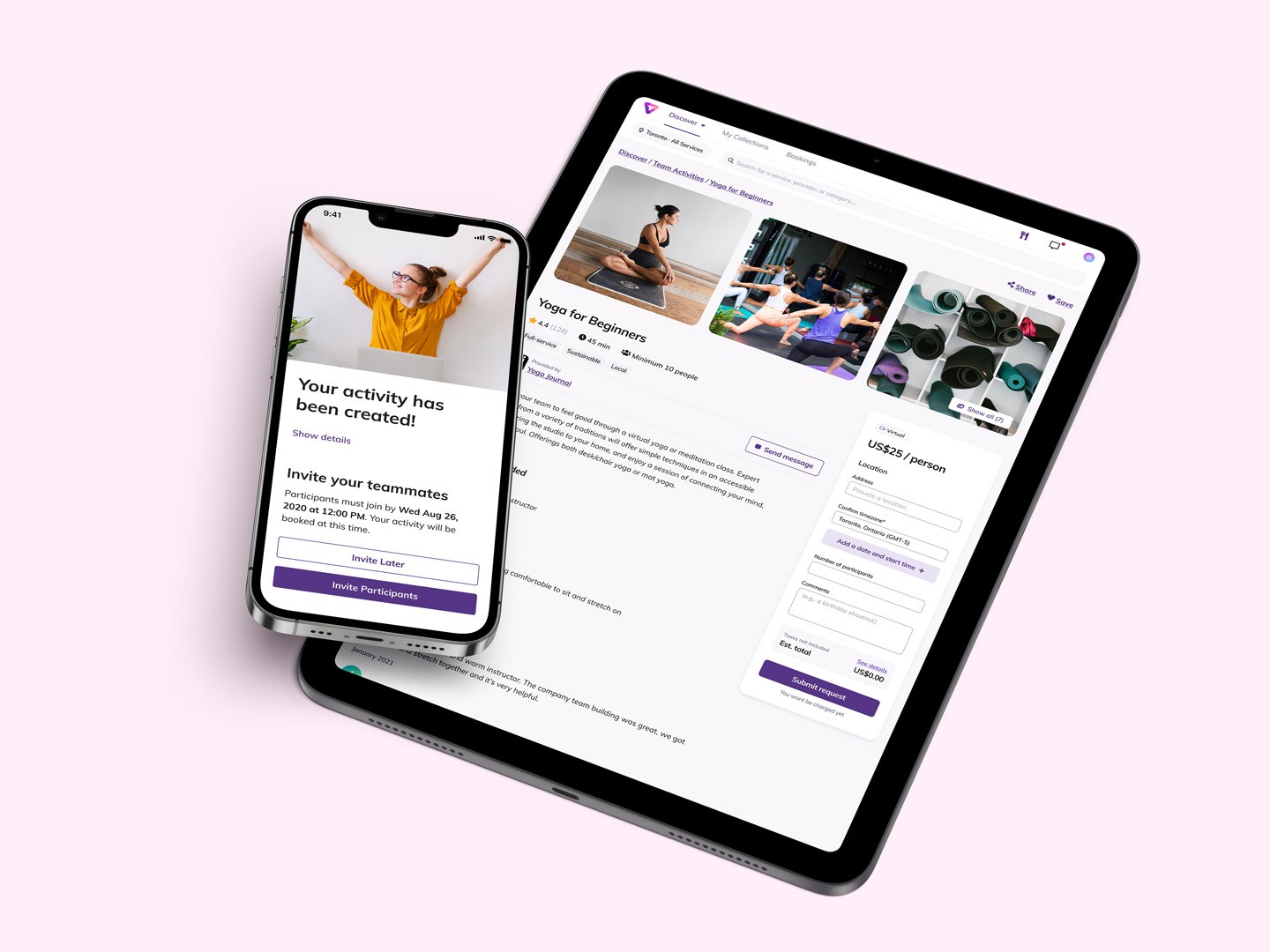
I led the rebrand and redesign of the platform to support virtual programs spanning health, wellness, career development, and team building.
Shifted the org from service-led to product-led growth
A self-serve platform connecting vendors to customers, paired with a headless vendor backend, cut onboarding time by 70% and reduced time-to-book from days to hours.
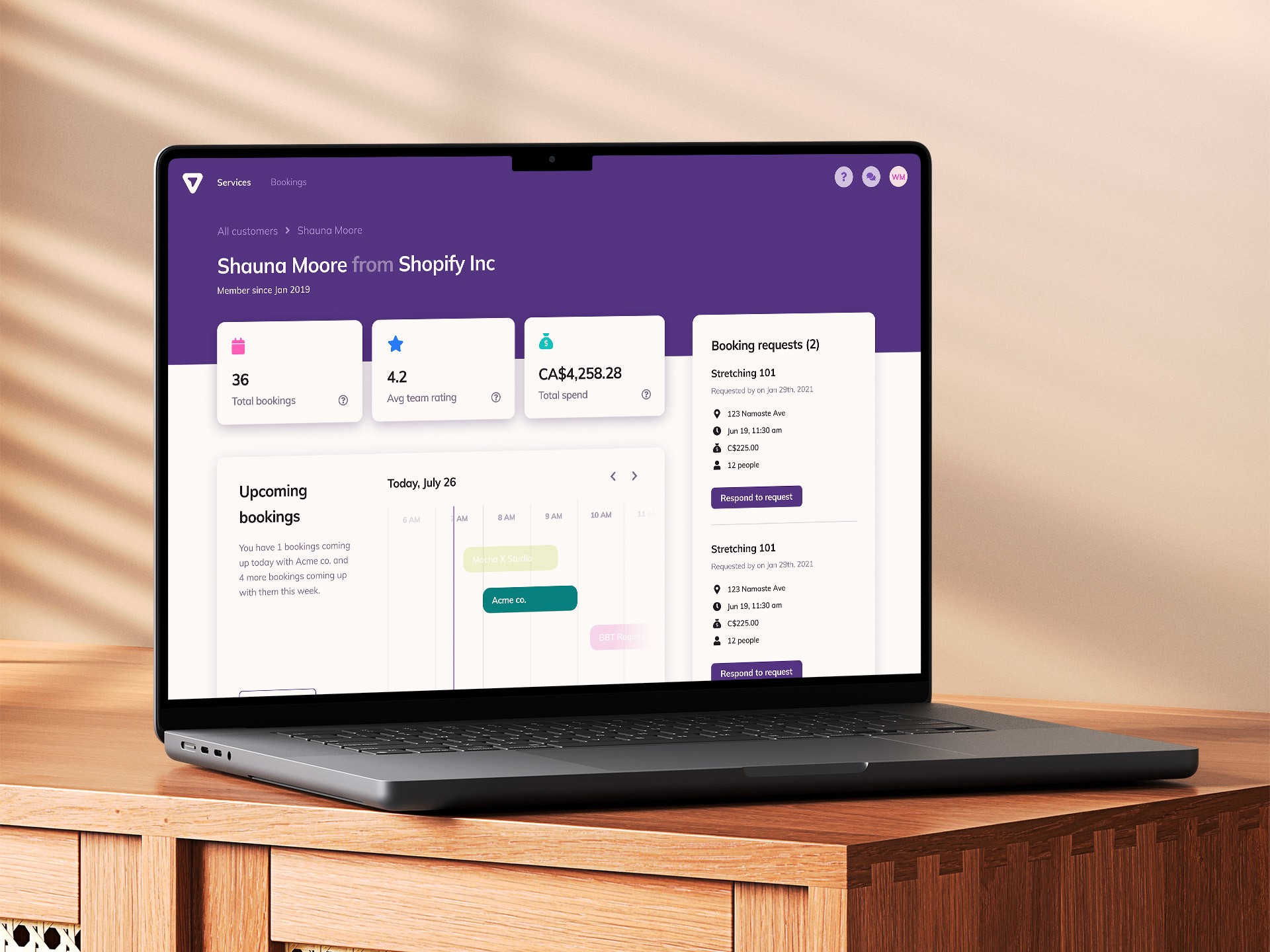
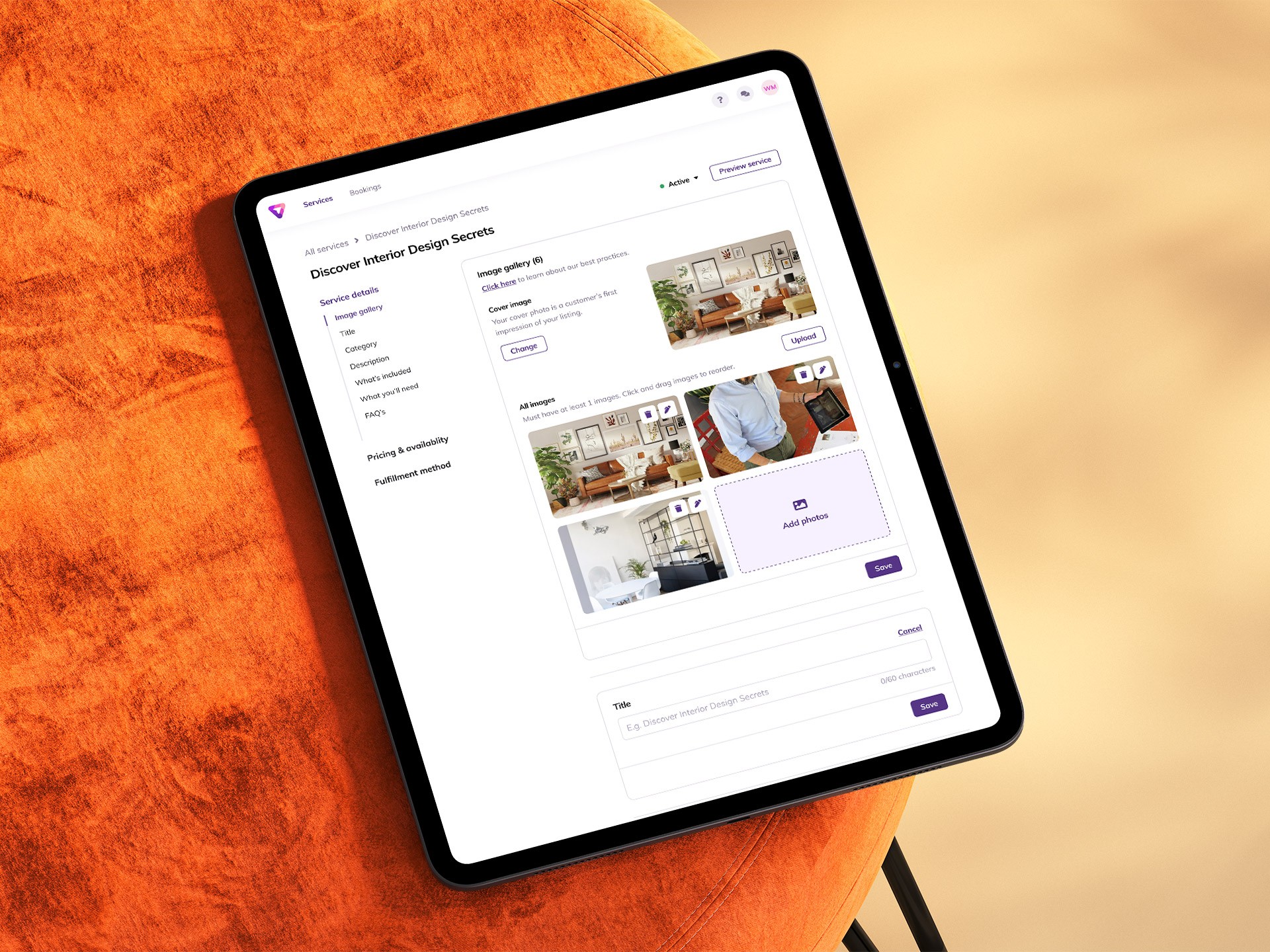
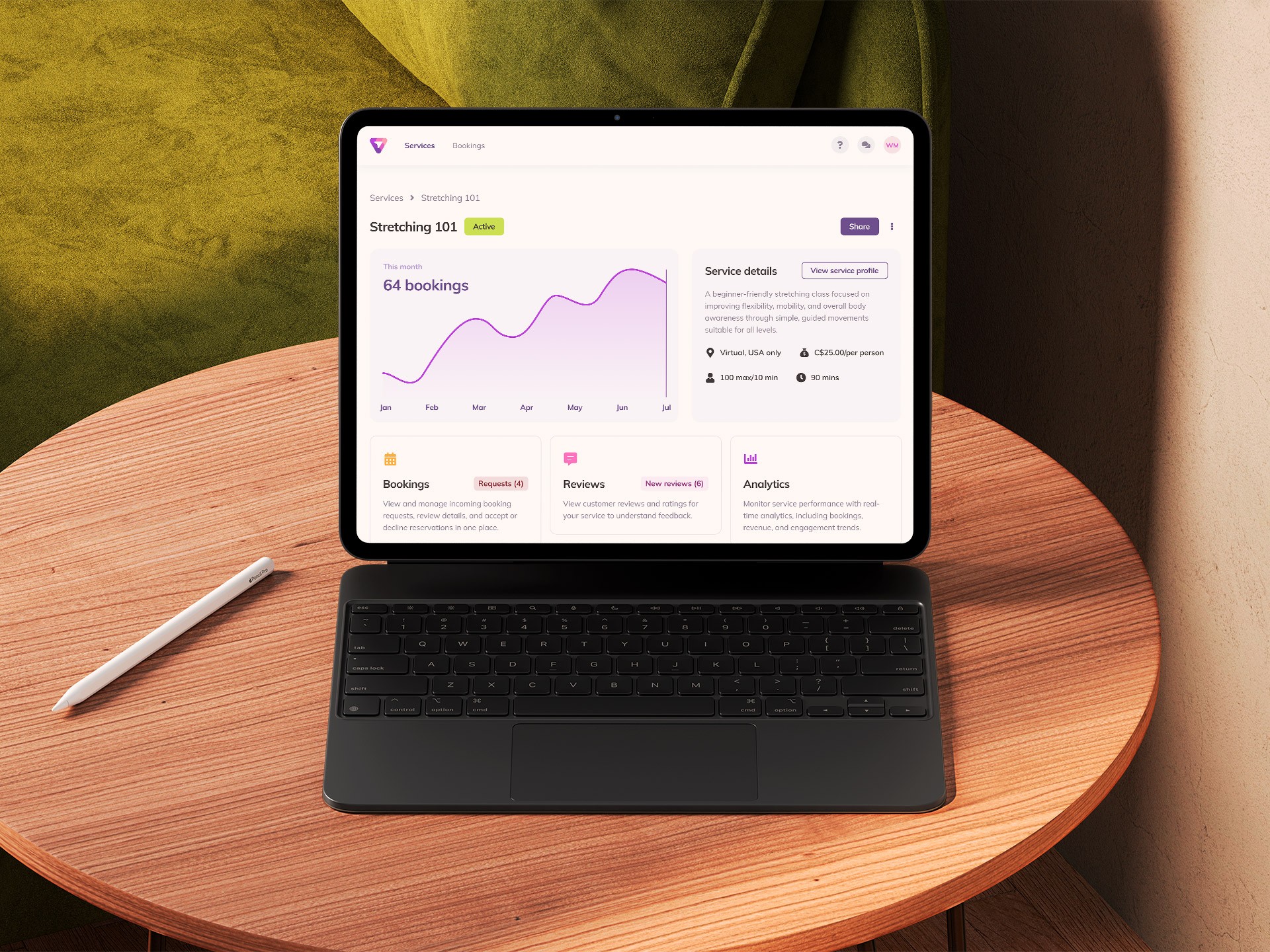
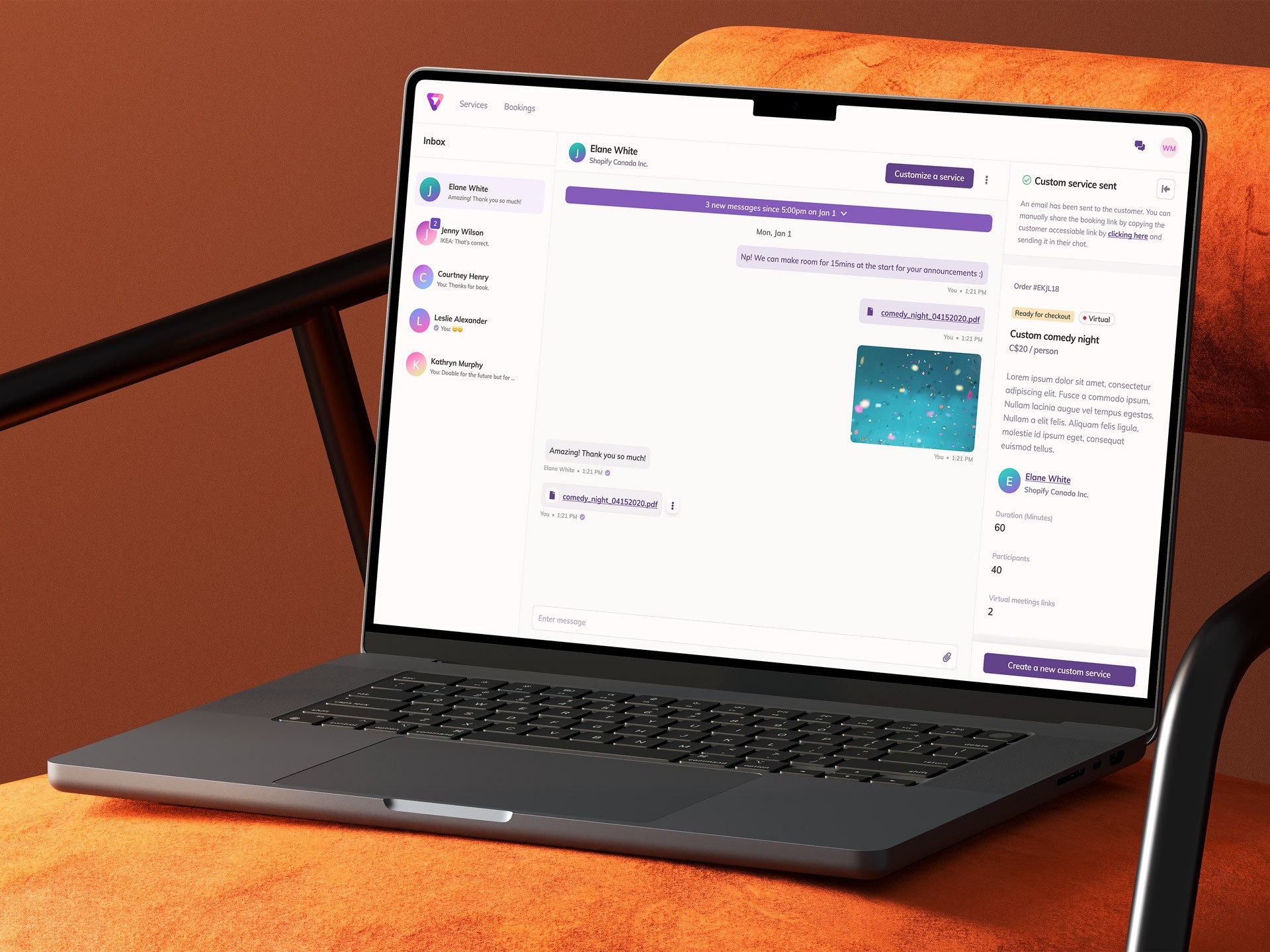
The Provider Portal allows all vendors self-serve access to web tools for service management, analytics, chat, custom bookings with clients, and more.
Supporting vendors during an unprecedented time
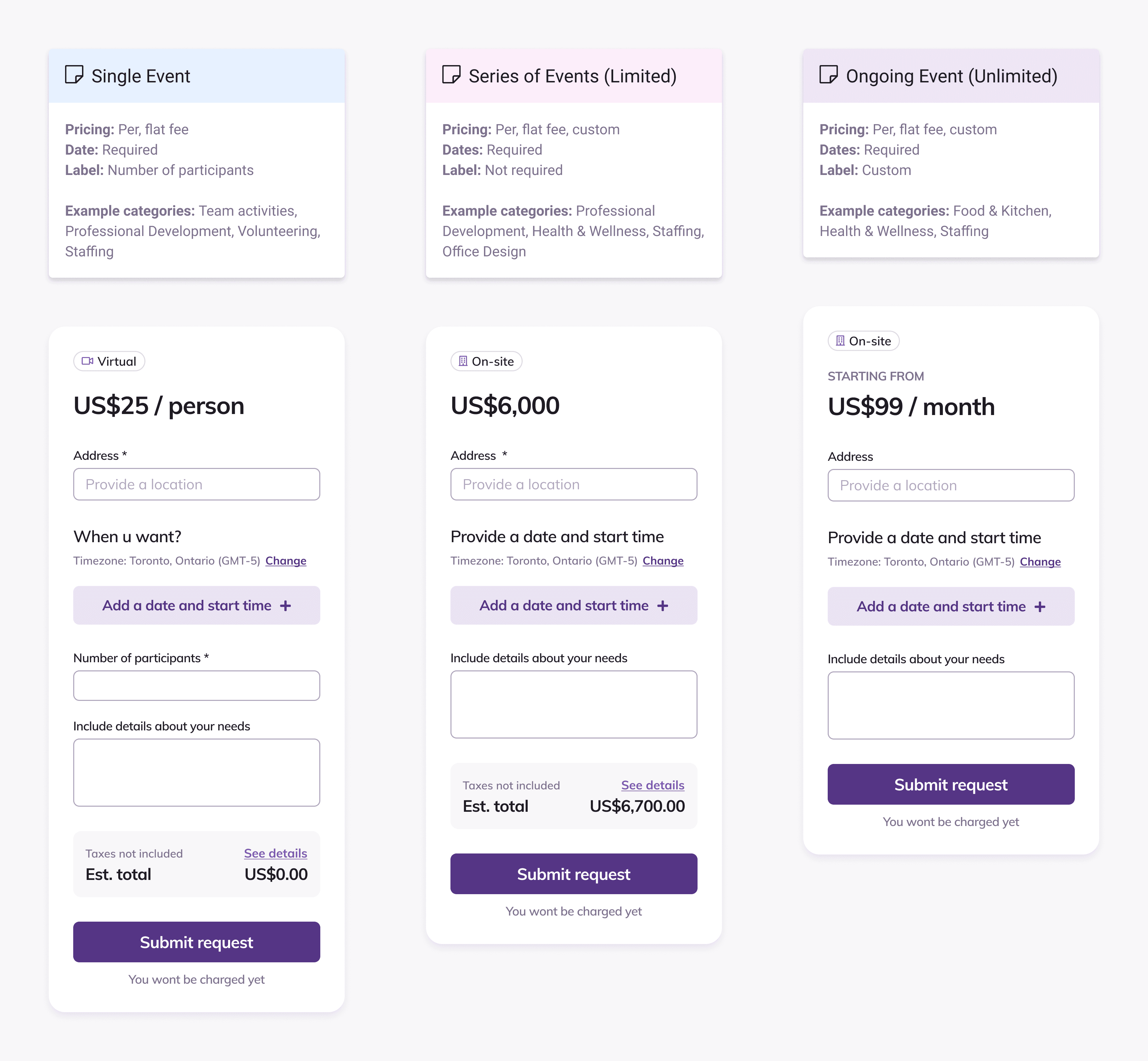
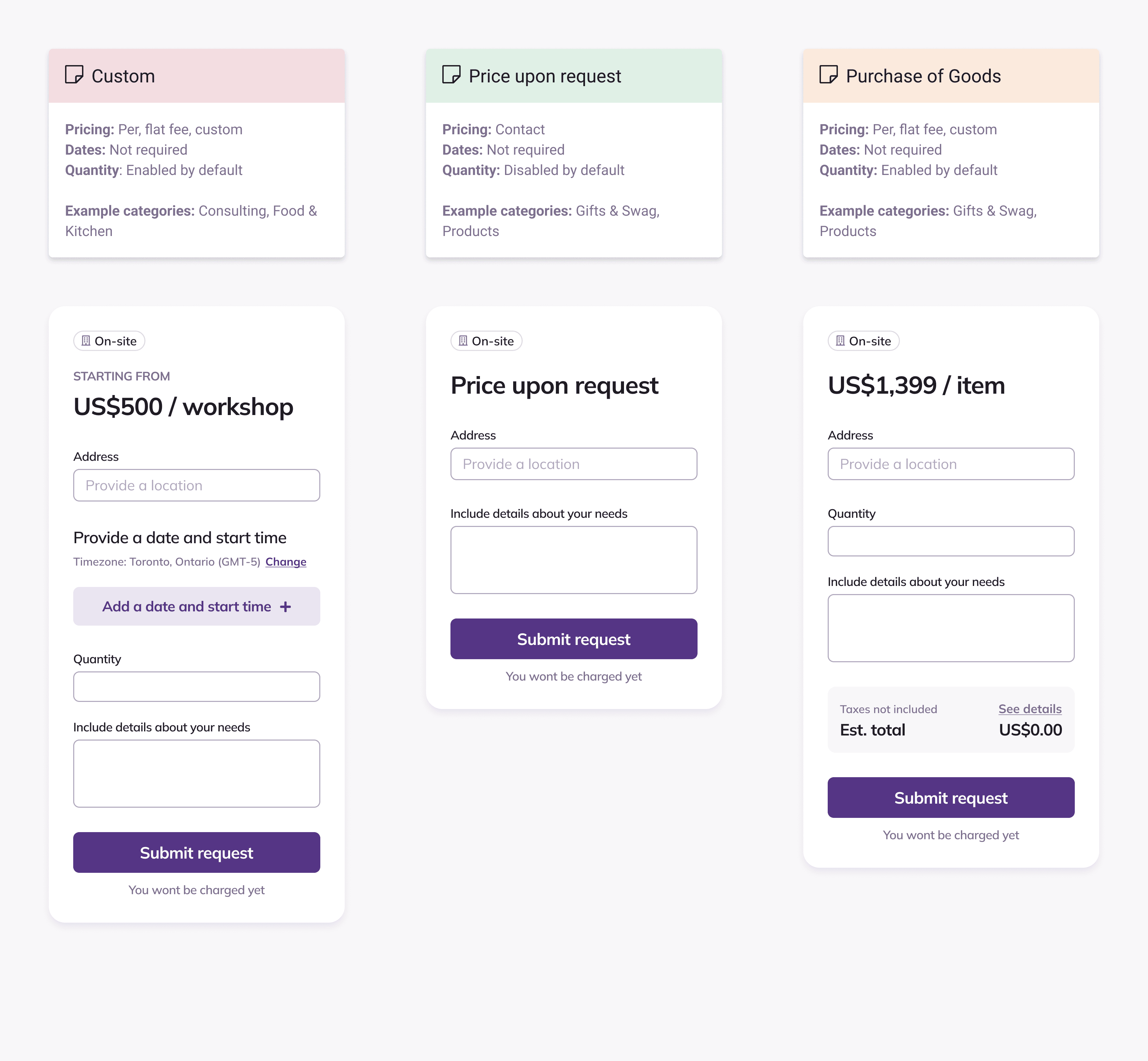
Service flexibility: Customization for both vendors and customers was essential as teams navigated uncertainty together. This booking request component was one of more than a dozen modular UI building blocks developed.
Reducing the burden of choice became the strongest driver of recurring bookings on the platform
As we helped vendors adapt to a remote-first world, teams everywhere were struggling to maintain morale and preserve cultures built through years of in-office connection.
In conversations with executive leaders, HR partners, and team managers across our client base, the same questions surfaced again and again:
Where do I even start?
How can I be confident an activity will resonate with my team?
How do I ensure people actually participate?
How can I tell whether the experience was positive?
The pressure of making a single “right” choice often led to analysis paralysis. To ease that burden, I mapped each question to a specific touchpoint along the decision-maker’s journey—democratizing the decision by involving participants, while giving organizers easy access to hosts or in-house support staff if needed.
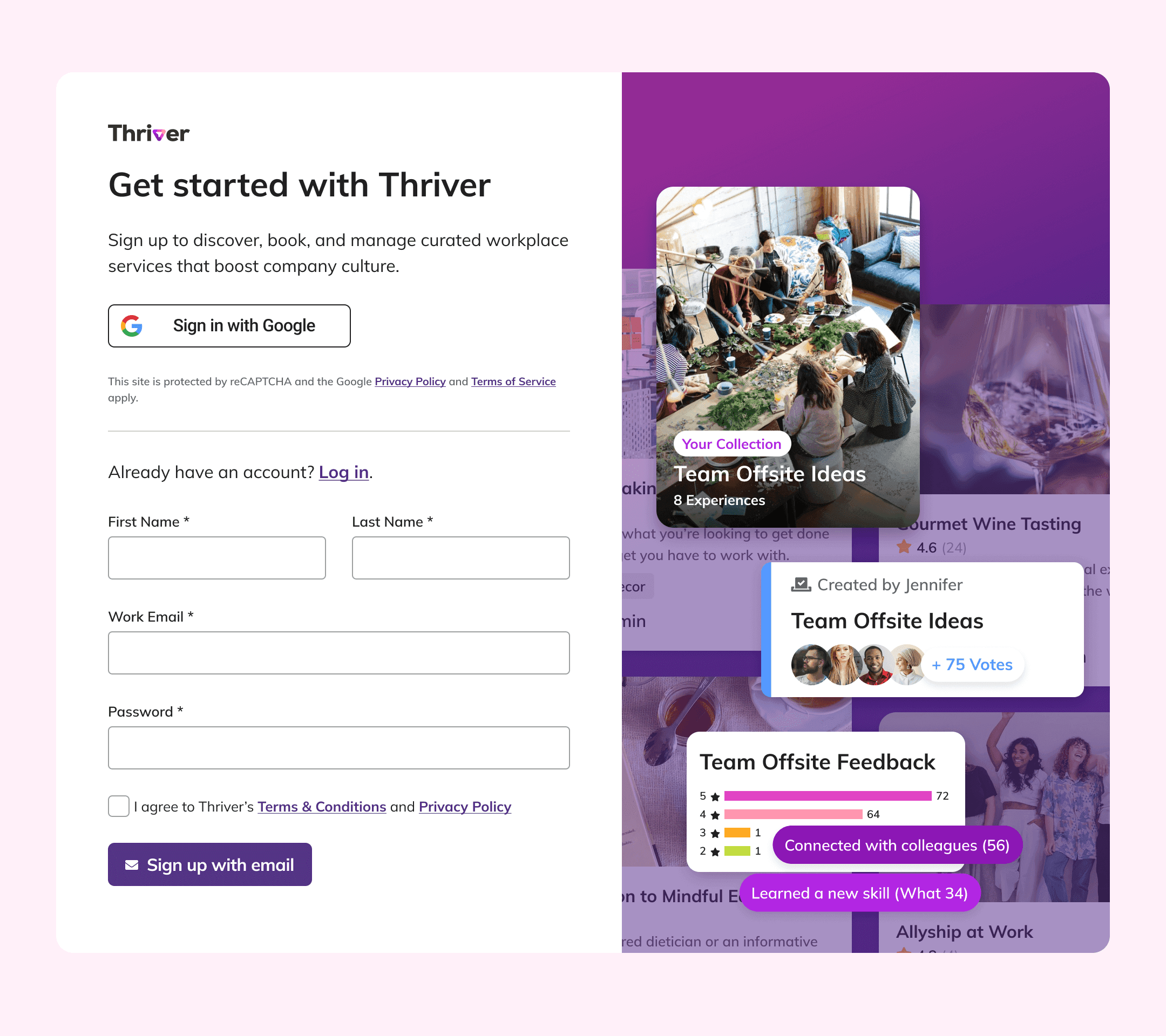
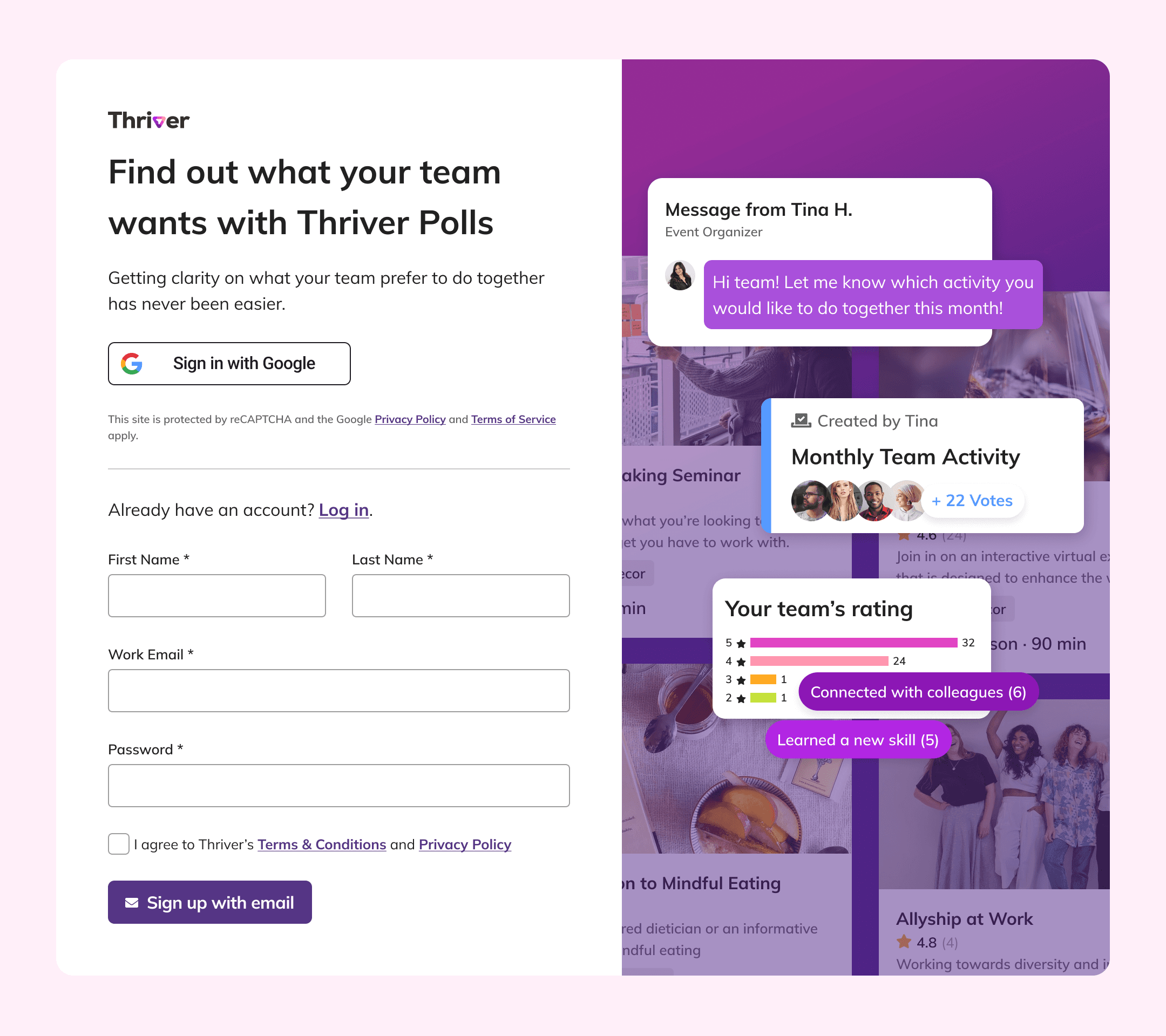
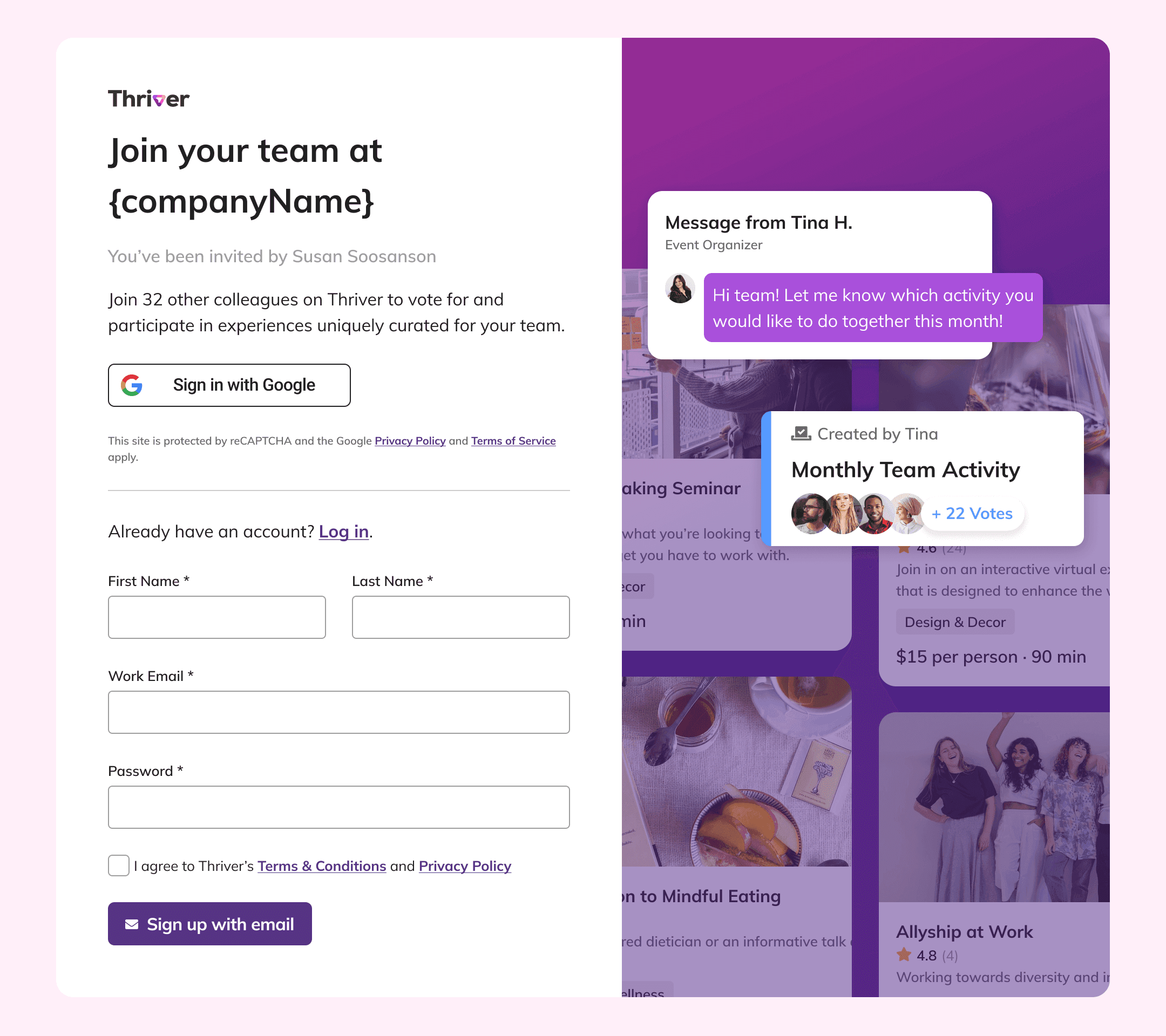
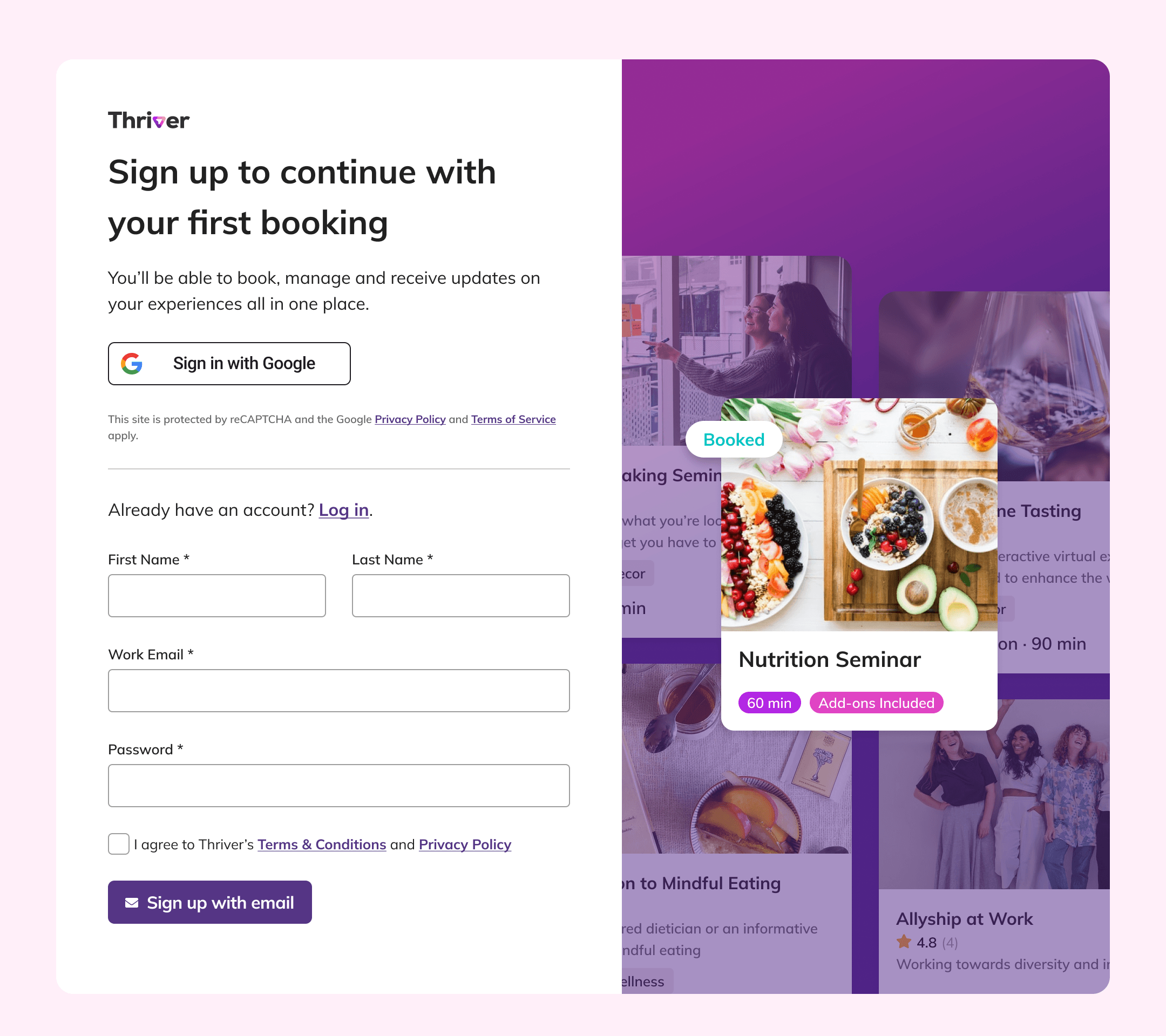
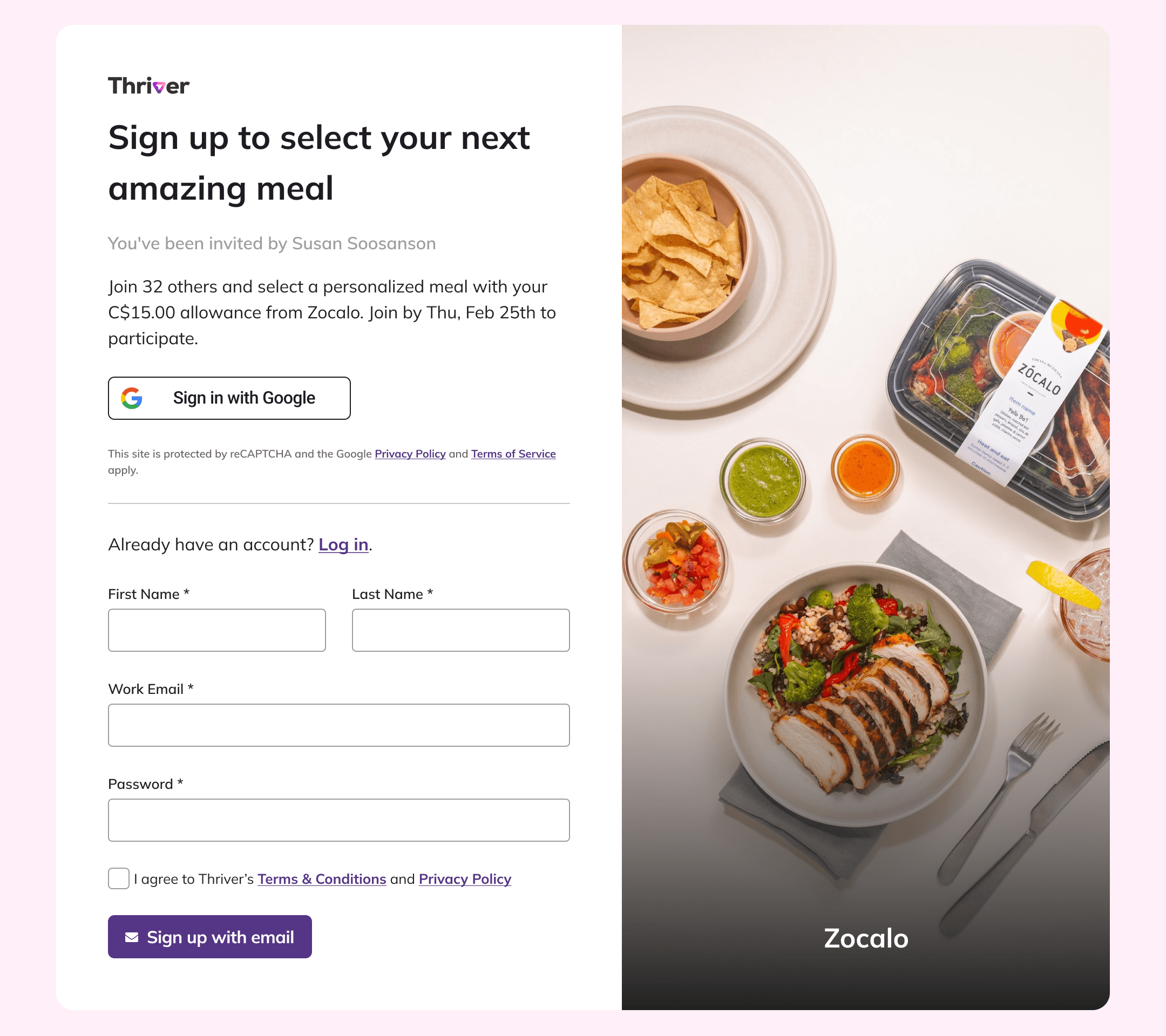
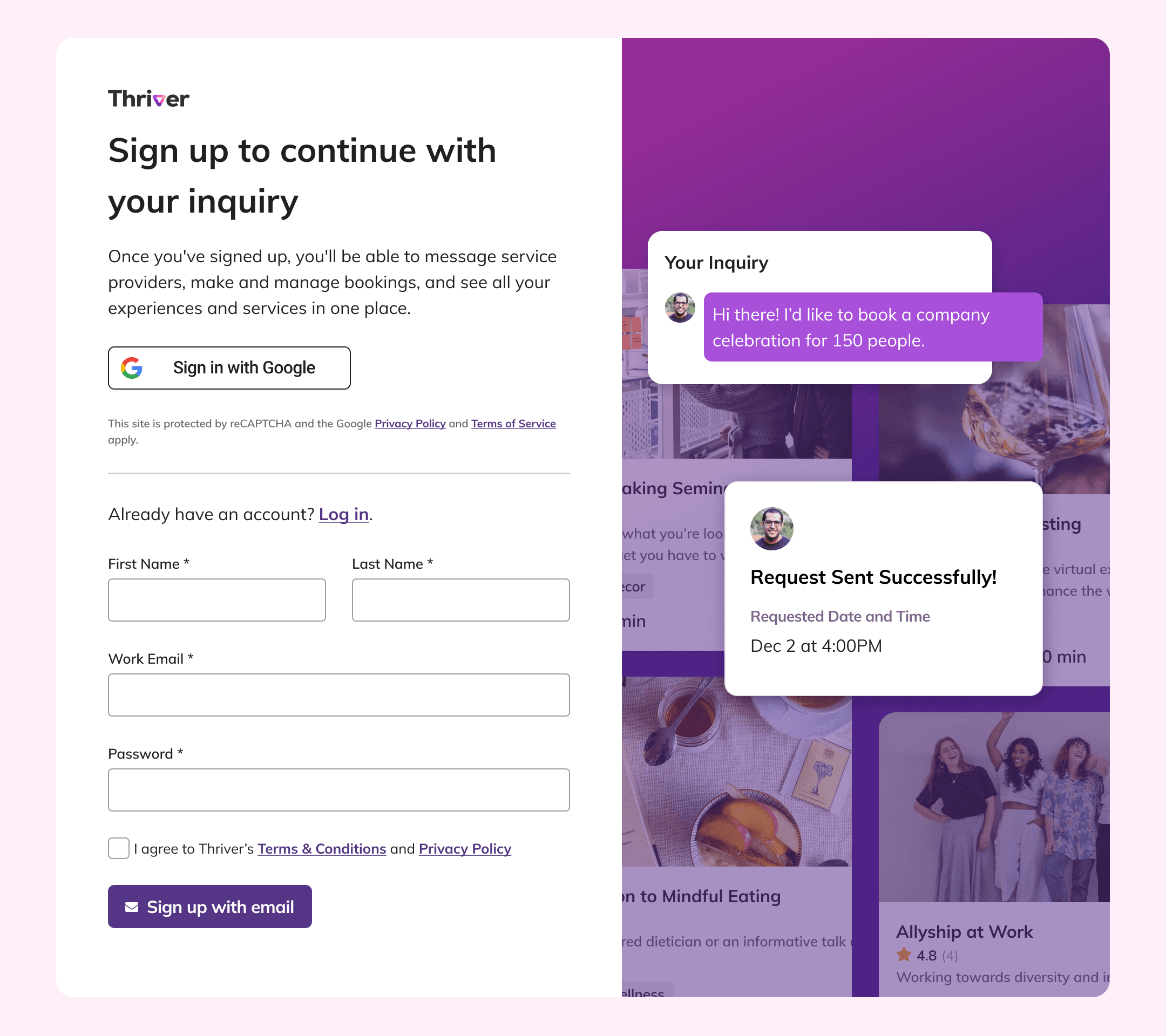
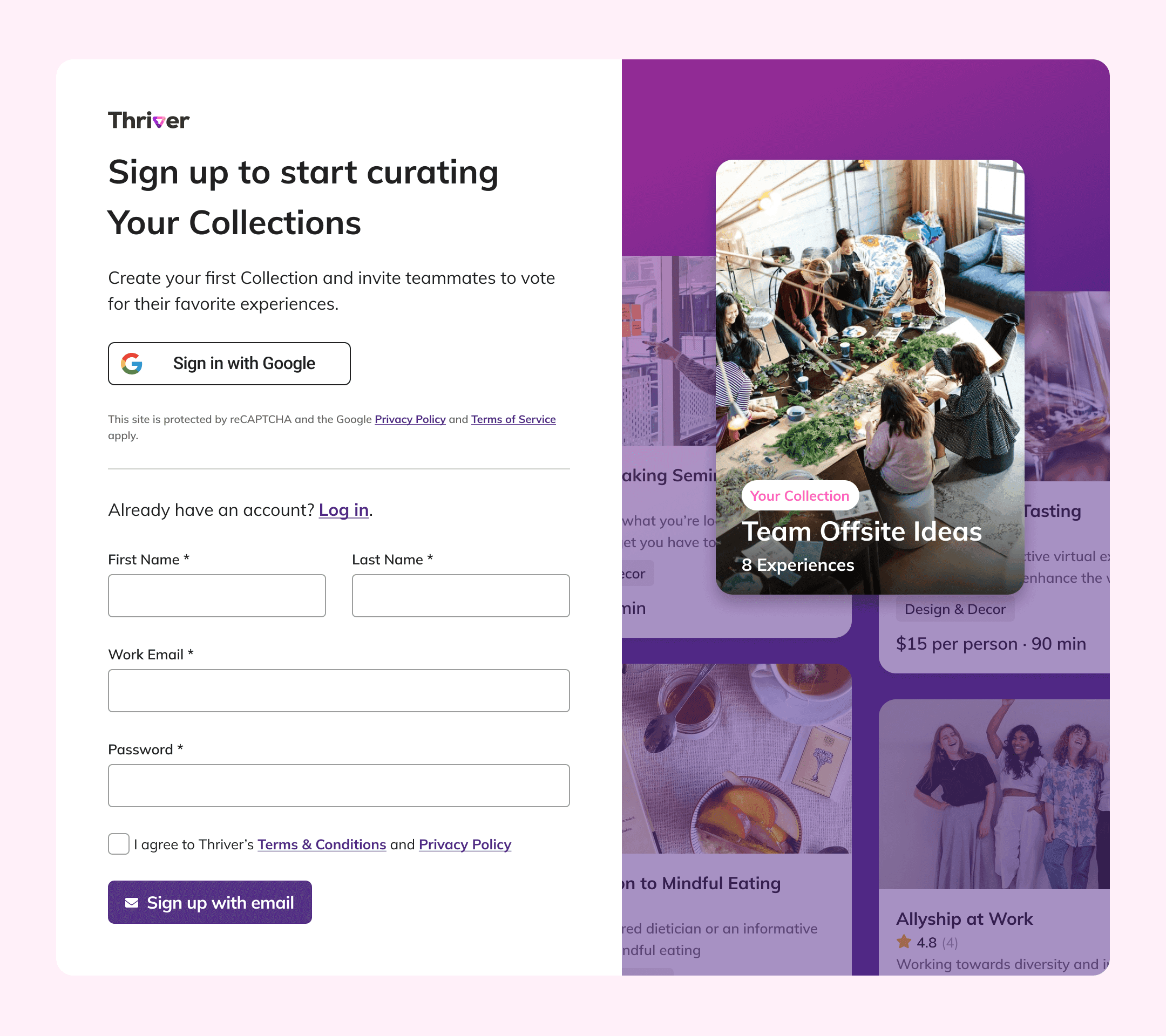
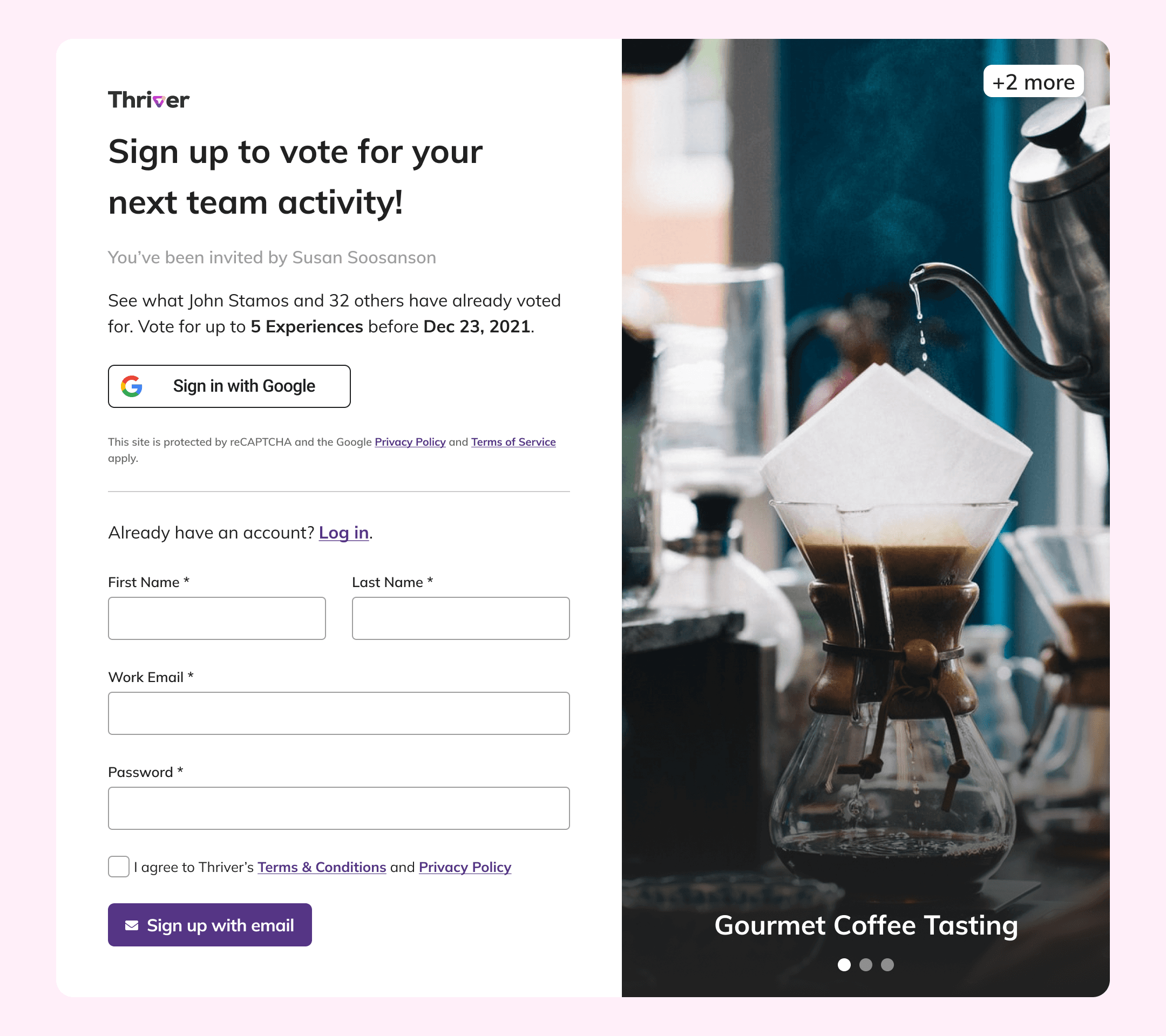
Multiple pathways to sign-up ensures we carry any relevant context through to onboarding.
Rewiring the business for product-led growth
With the burden of choice reduced, I focused on making the experience low-effort and repeatable—without it feeling like corporate drudgery. Within a week, I designed two new features informed by insights from the first ten weeks of customer usage: Collections and Polls.
Collections gave organizers a simple way to curate activities into labeled spaces—much like a Pinterest board. With a single click, any Collection could be turned into a timed Poll, inviting teams to vote and comment via email or Slack. Once an activity was booked, all communication with the host and post-event feedback lived permanently within that Collection.
That continuity proved invaluable. Following the launch of Collections and Polls, recurring bookings jumped 67%, with a longer tail of future bookings driven by exposure to additional providers included in Polls. Together, the two features reinforced each other, forming a self-sustaining loop that drove engagement up more than 200% from March 2020 to August 2020.
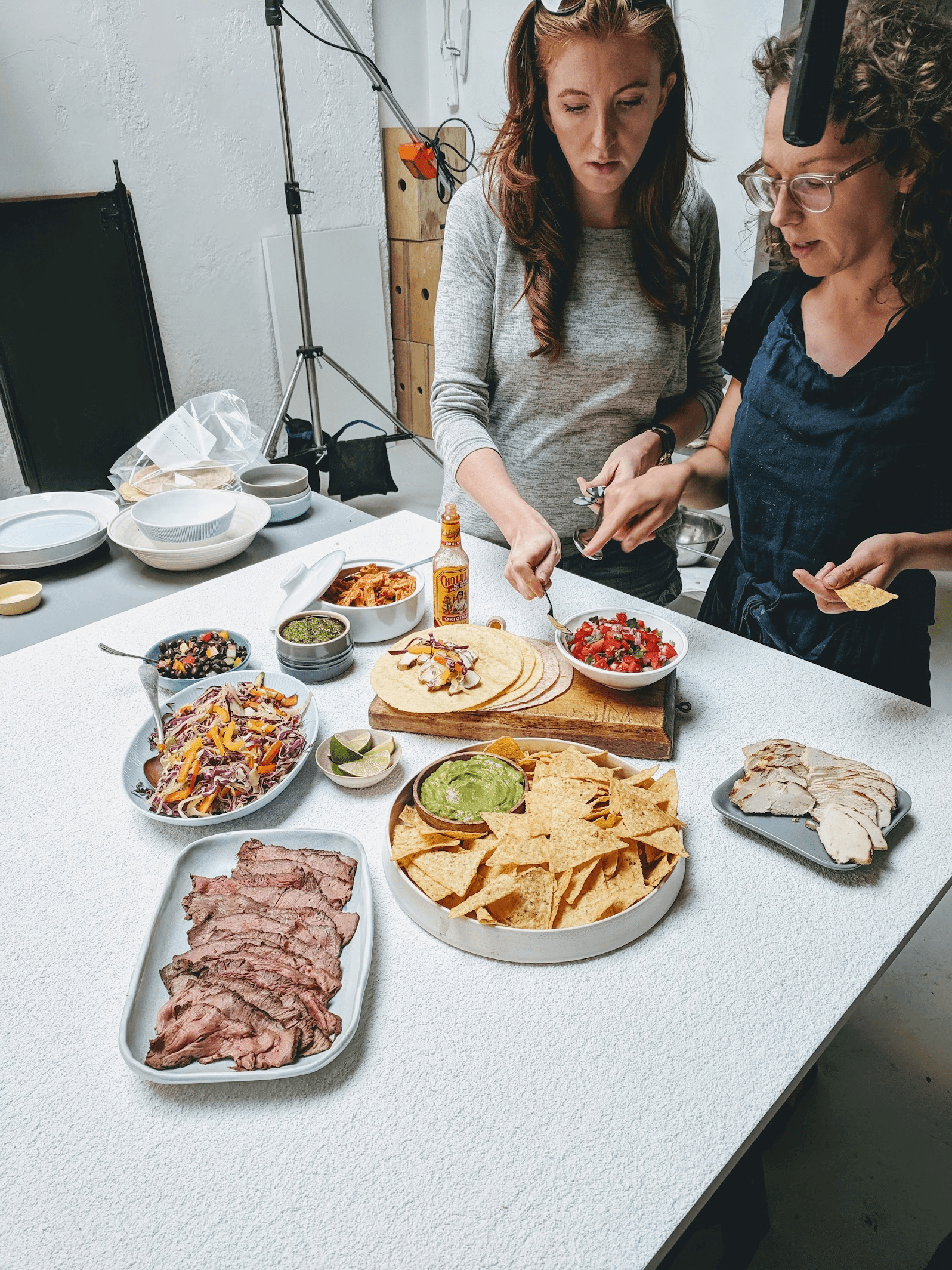
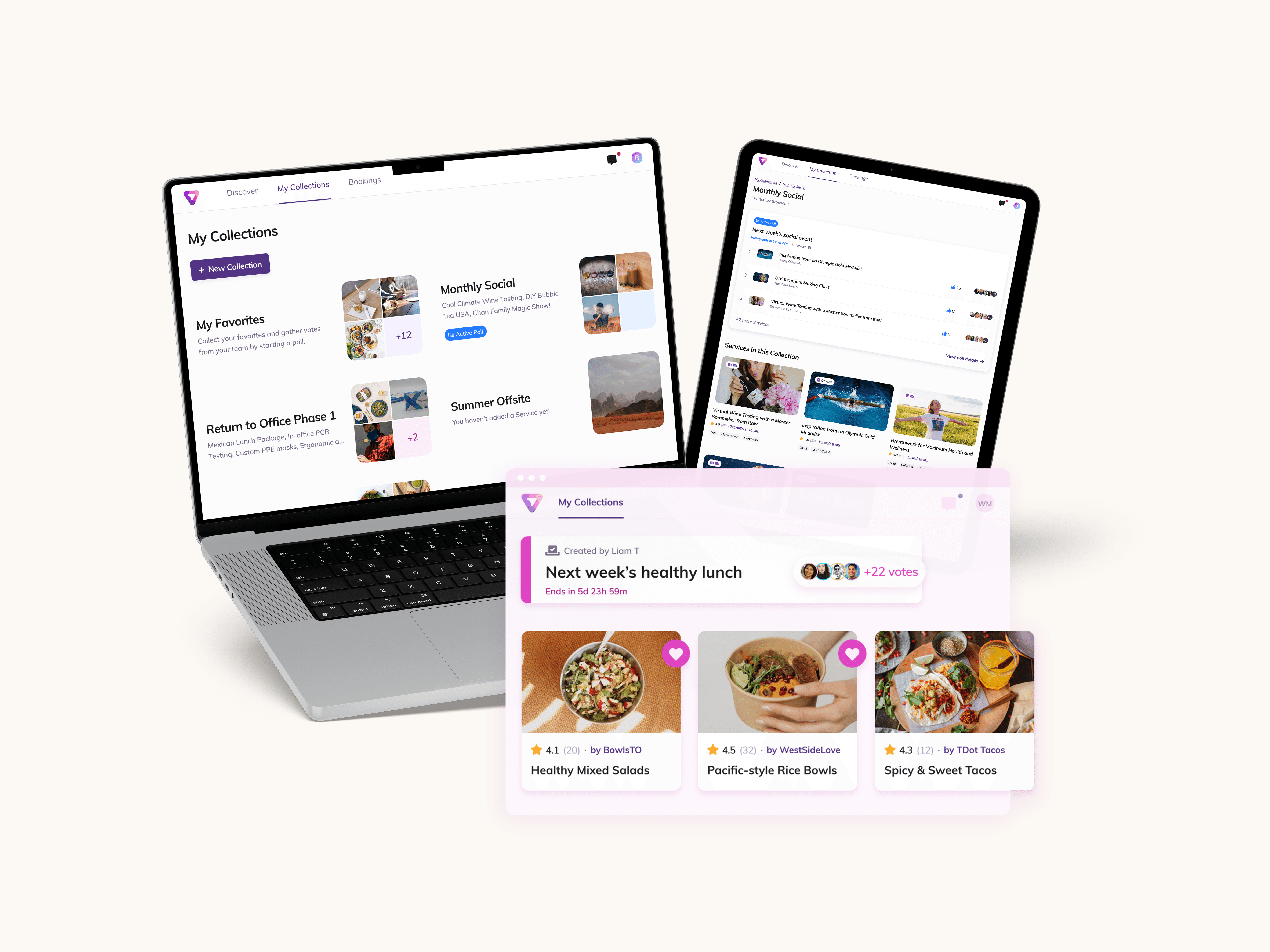
Platterz’s food-first approach to hospitality formed the foundation for Thriver, enabling tools and features flexible enough to support any vendor service.
A pivot designed to thrive, not merely survive
As this work unfolded, Thriver was also completing its shift away from a high-touch, white-glove sales model. By June 2020, all interactions had moved online through Thriver’s messaging system, with three out of four conversations happening directly between vendors and clients—stepped in on only when needed by our client success team.
In just five months, we rebranded the company, designed and shipped new features, technology (we're talking an entirely new frontend tech stack), and workflows that helped retain 80% of our existing clients. More importantly, we gave teams the confidence and tools to navigate this new fully remote workplace.
Our tenacity and results gave investors the confidence to commit $33M USD in Series B funding secured at the height of a pandemic.
❝
Facilitating the team's socials on Thriver is one of my favorite little rituals … it feels like a hub where we all come together despite being away from the office.
Adriana, Google Canada

A graceful exit in 2024
The tools we built in those five months—an in-app messaging system, the Provider Portal, a multi-threaded sign-up funnel, Collections, Polls, and a full suite of internal CRM tools—kept Thriver relevant well beyond the pandemic.
In October 2024, Thriver was acquired by Gusto, one of the leading HR platforms for payroll, benefits, and workplace culture management.
In my career, Thriver remains a standout example of what a highly aligned, nimble team can accomplish. I’m deeply proud to have been part of such a pivotal chapter and equally of the people who believed so strongly in preserving human connection in the workplace at a moment when it was most at risk.
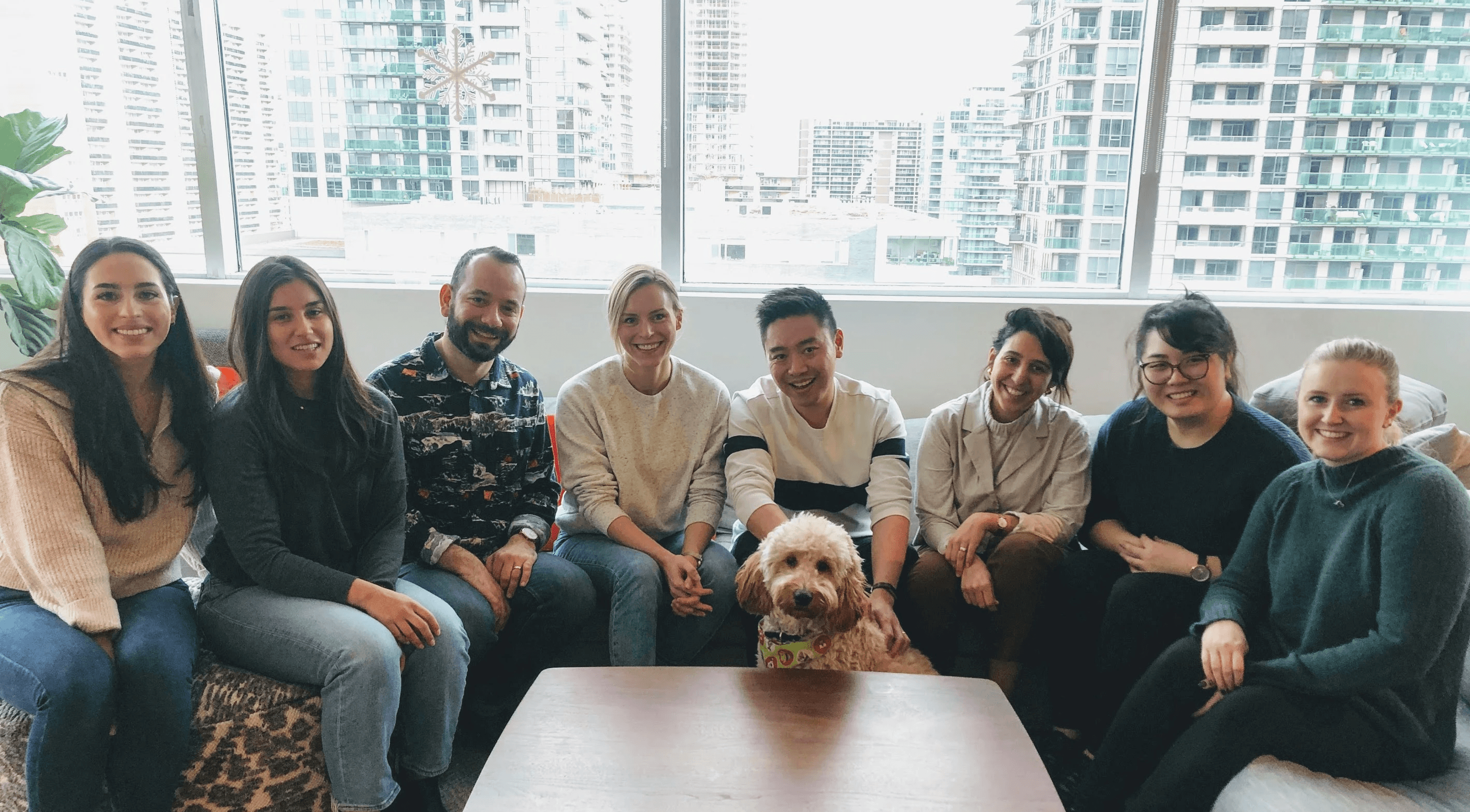
An all-star team: The design and product crew that made the impossible possible.